PROPANE TANK BUYERS GUIDE
Find the Right Propane Tank for Your Needs
Choosing the correct propane tank capacity is critical for ensuring reliable supply while managing installation costs and footprint. From 120-gallon residential units to 30,000-gallon industrial storage bullets, each tank size serves a specific purpose based on total BTU demand, peak load requirements, and site logistics. This guide outlines the technical specifications and selection criteria to help you determine the optimal pressure vessel for your home or business.

DEFINE YOUR APPLICATION
What Will Your Propane Tank Supply?
Residential
Propane powers clean-burning whole-home heating, high-efficiency water heaters, and reliable standby generators.
Commercial
Commercial solutions for restaurants, hospitality, and businesses requiring consistent, high-output energy supply.
Agricultural
Durable ASME tanks designed for crop drying, greenhouse climate control, and environmental systems for livestock.
Industrial
Unmatched capacity for manufacturing, fleet fueling hubs, and project-specific large-scale industrial storage.
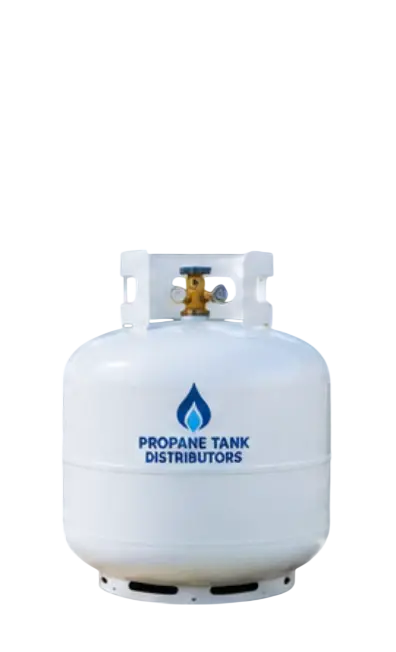
120 Gallon
Ideal for home heating, water heaters, standby generators, and pool heaters.
Important Note: Propane tanks are only filled to 80% capacity to allow for liquid expansion. For example, a 500-gallon tank holds 400 gallons of propane.
COMPARE COMMON CAPACITIES
Which Propane Tank Size Should You Consider?
Selecting the correct size is the most important decision when buying a propane tank. Below are the most common capacities and their typical applications to help you decide.
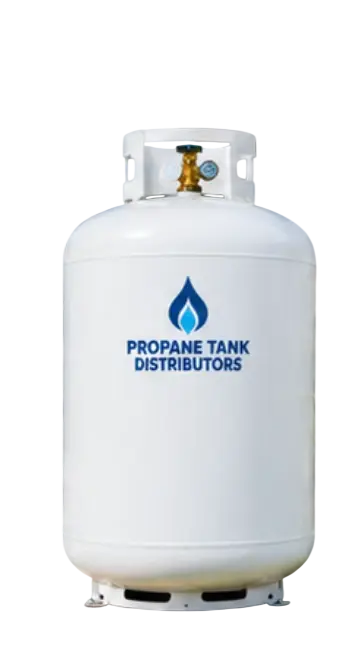
250 Gallon
Suitable for residential heating, cooking, and water heating in medium-sized homes.
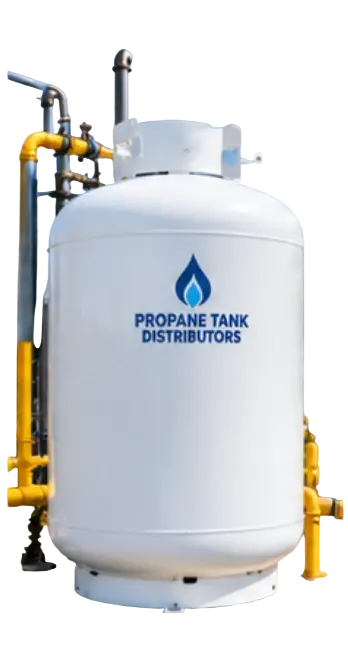
325 Gallon
Good for whole-home heating in moderate climates and various agricultural uses.
500 Gallon
The standard for residential heating, whole-home propane systems, and standby power.
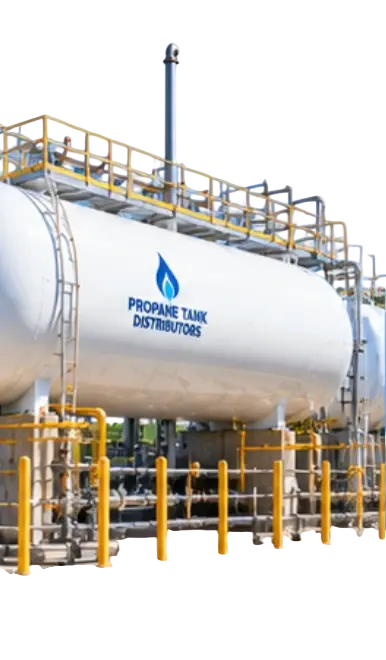
1,000 Gallon
Provides high-capacity storage for large homes, commercial businesses, and fleet fueling.
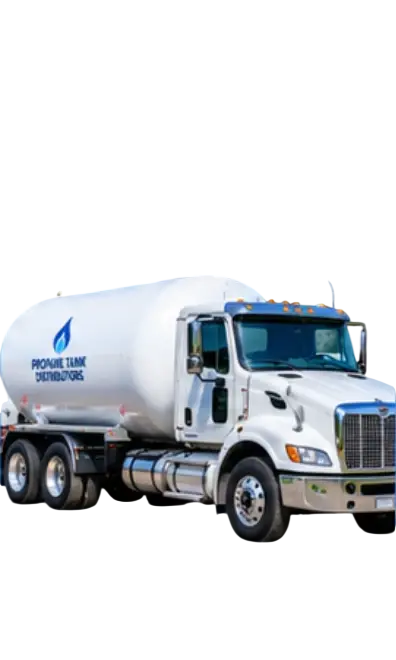
Large-Capacity Tanks
Over 2,000 gallons for industrial bulk storage, NGL/LPG bullets, and energy facilities.
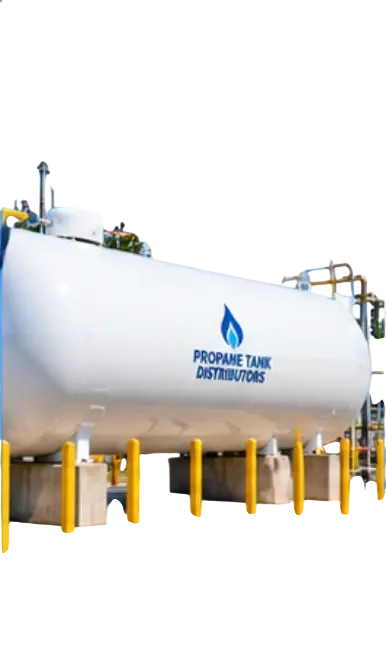
Above-Ground Propane Tanks
Above-ground tanks are standard for many residential and commercial applications. They offer ease of access for maintenance and lower installation costs.
- Lower initial installation cost
- Easy inspection and maintenance
- Quick access for refills and service
Underground Propane Tanks
Underground tanks are the preferred choice for homeowners who want to maintain their property’s curb appeal or have limited yard space.
- Hidden from view to maintain landscaping
- Protection from extreme weather conditions
- Specialized coating for long-term durability
CHOOSE YOUR CONFIGURATION
Above-Ground vs. Underground Propane Tanks
Deciding between an above-ground or underground propane tank depends on your property’s layout, aesthetic preferences, and local regulations.
IMPORTANT: All underground installations require a magnesium anode bag for cathodic protection to prevent corrosion and meet NFPA 58 safety standards.

New Propane Tanks
Arriving factory-sealed and under vacuum, new tanks offer the longest service life and full manufacturer documentation.
What to Review
Important Note: While used tanks offer significant savings, they may require more frequent surface maintenance (painting) compared to new factory-sealed units.
Manufacturing Date & RE-Qualify Status
Valve & Gauges Functionality
CONSIDER TANK CONDITION
Choosing Between New and Used Propane Tanks
Choosing between a brand-new unit or a certified used tank is often a matter of budget and immediate availability.

Used Propane Tanks
Sourced from reliable distributors, used tanks provide industrial-grade performance at a lower entry cost. Every unit is inspected for structural integrity.
Surface Condition & Coating Integrity
Internal Inspection & Cleanliness
PURCHASE WITH CONFIDENCE
Look Beyond the Gallon Capacity
Two tanks with the same nominal capacity are not necessarily identical. Before ordering, review the specifications and practical requirements associated with the individual tank.
Confirm that the storage capacity is appropriate for your expected propane requirements.
01
Capacity
Review overall dimensions and verify that the intended site can physically accommodate the equipment.
02
Tank Dimensions
Confirm whether the tank is designed for above-ground, underground or another specified configuration.
03
Installation Type
Understand whether the product is new or used and review the available condition information.
04
Tank Condition
Review the valves, fittings and included components described for the individual product.
05
Connections & Components
Review available manufacturer information, identification plates, specifications and applicable product documentation.
06
Product Documentation
Consider access, placement, delivery, installation and applicable local requirements before purchasing.
07
Site & Installation Requirements
Large tanks require appropriate transportation and unloading arrangements. Review delivery information and discuss special site requirements before completing the order when necessary.
08
Delivery Requirements


DELIVERY & INSTALLATION PLANNING
Make Sure Your Site Is Ready
Proper site preparation is essential for a safe and efficient propane tank delivery. Our logistics team handles nationwide transportation, but local conditions at your facility or home must meet specific safety standards before the tank can be offloaded.
Review the following requirements to ensure your installation meets NFPA 58 guidelines and provides adequate clearance for service vehicles and professional installers during the placement process.
Clear access path for heavy freight trucks (minimum 10ft width).
Level concrete pad or firm, compacted soil base.
Clearance from property lines and designated walkways.
Magnesium anode bags on site for underground units.
Licensed gas contractor scheduled for first fill and seal break.
IMPORTANT: All tanks are shipped under vacuum. Do not attempt to fill or open valves until a certified LPG professional has inspected the unit and performed the initial pressure test at your installation site.
READY TO START?
Find the Propane Tank That Fits Your Application
Whether you're powering a family home, a commercial business, or a large industrial facility, we have the ASME and DOT certified pressure vessels in stock and ready to ship.
Need help narrowing your options? Contact our sales team with your application, desired capacity and project requirements.